 Case study · Events and exhibitions
We turned the event into a content engine.
A near-dormant social presence, three live event days and a 27-day campaign window. Strategy, production, publishing and paid amplification ran as one operation.
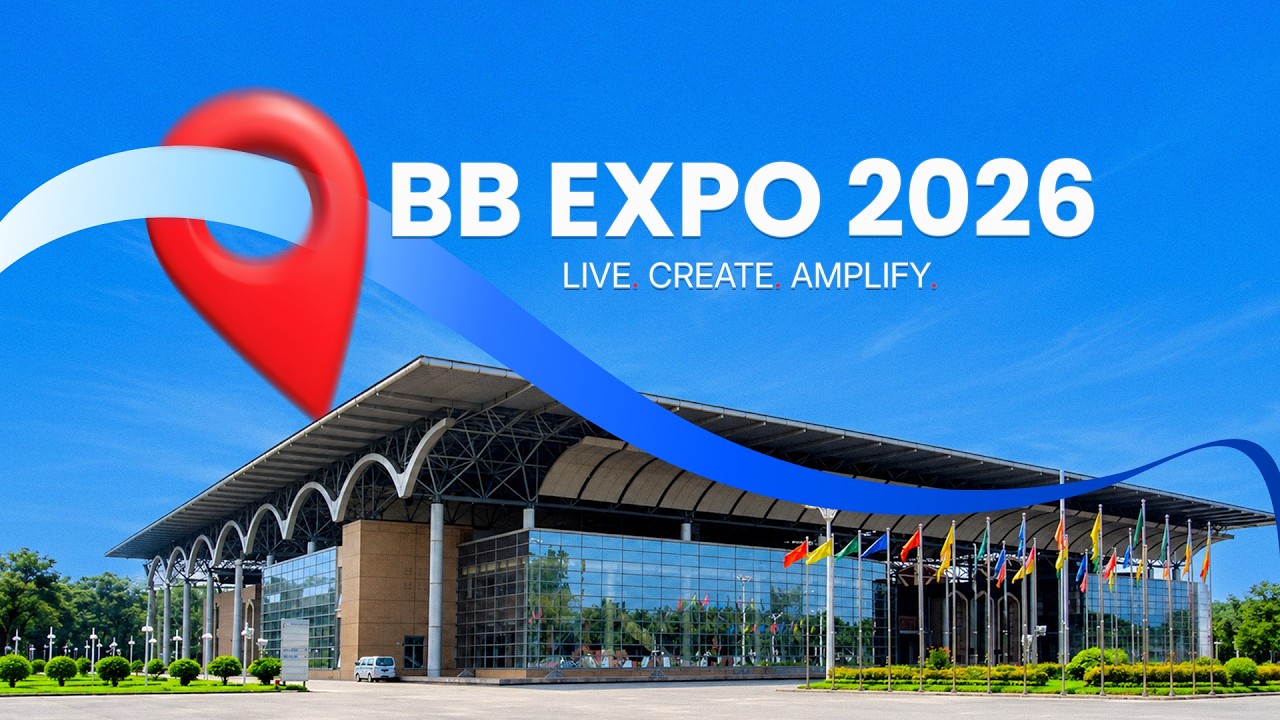
Source: Meta analytics, Facebook, April 5 to 17, 2026. Paid and organic combined.
A flagship event with almost no audience to announce it to.
The organiser's channels carried minimal recent activity and the exhibition needed attendance, exhibitor visibility and sponsor value inside a fixed window that could not move.
Anticipation had to be built from a standing start, three live days had to be covered at scale, and the volume produced had to convert into measurable audience growth rather than an archive nobody watched.
The audience follows people, not booths.
Interest in an industry exhibition travels through leadership, sponsors and exhibitors: the individuals attendees already know. Event announcements circulate inside the organiser's existing following. Named voices circulate outside it.
That reframed the production plan. Interviews became the acquisition format, not the coverage format.
Seven days of pre-event content, three days of live publishing.
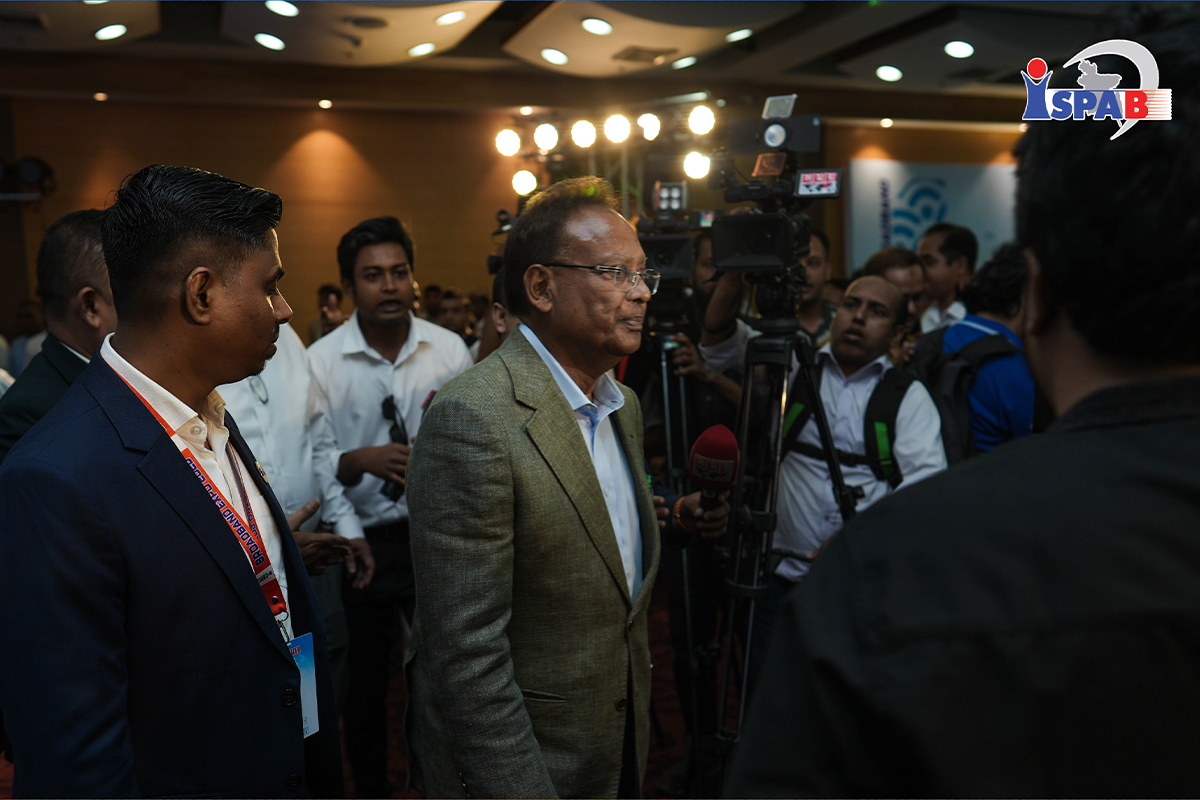
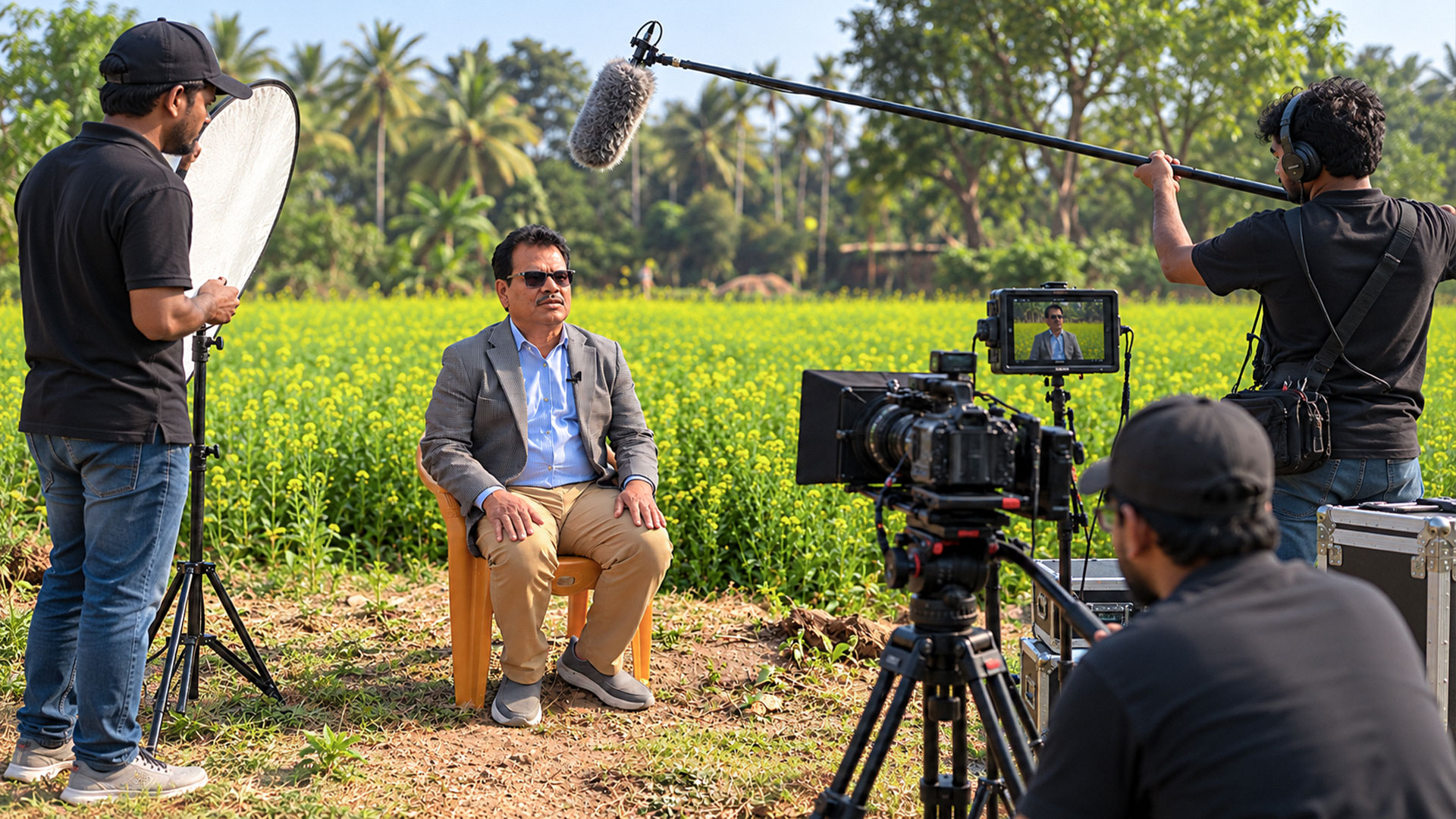
Seven pre-event shoot days across multiple locations captured leadership, sponsor and exhibitor interviews, released on a schedule that built toward the opening.
During the event, capture, edit, publish and engagement operated as one same-day loop, with paid budget moved behind the formats that held retention rather than spread evenly across the plan.
Interviews, live coverage, motion and stills under one mandate.
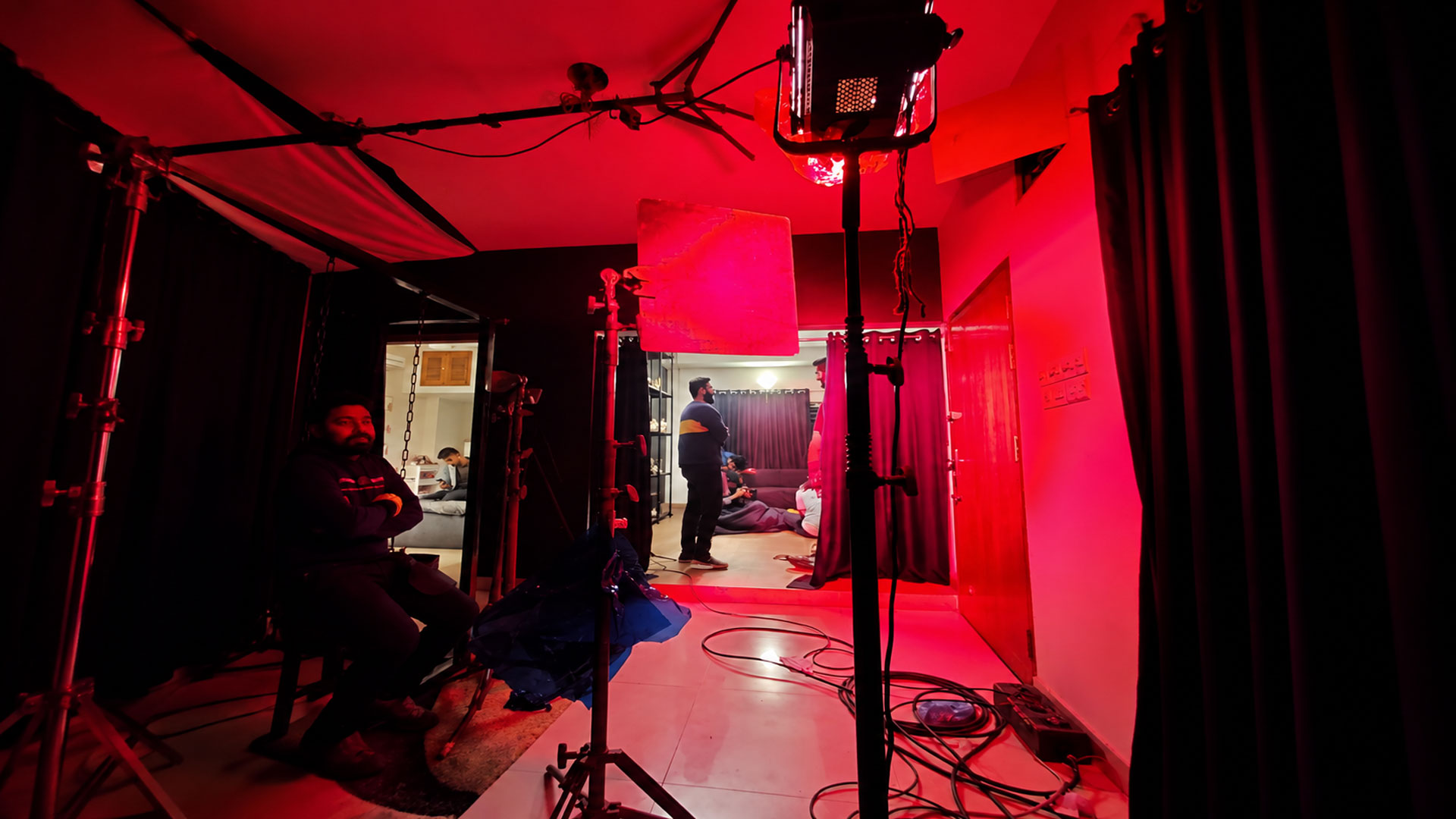
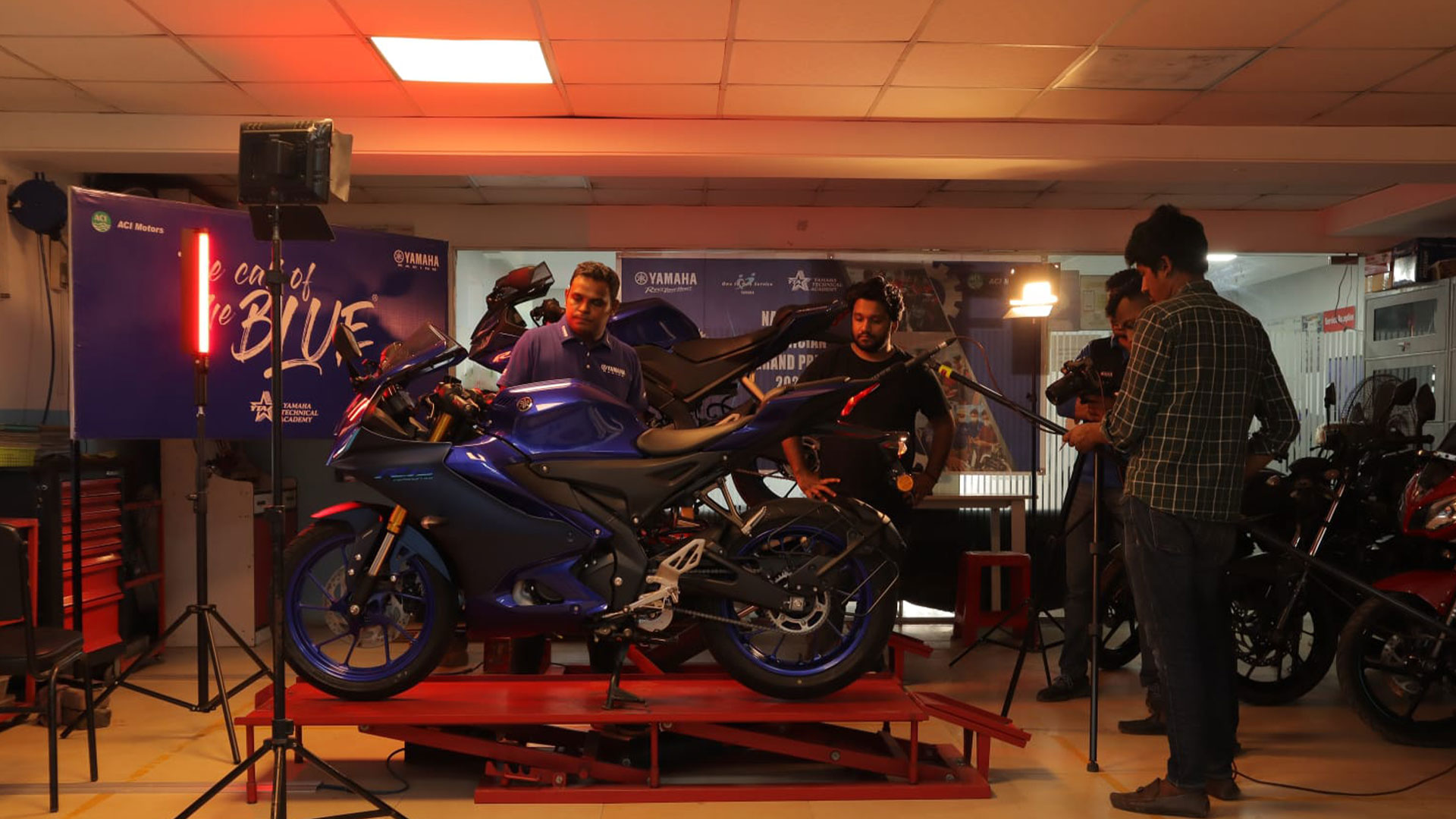
Cinematography, photography, FPV and drone, interview direction, design, animation, social management and paid amplification were delivered by one team against one brief.
Formats were decided before the shoot, so a single day of capture produced reels, stories, stills and long-form simultaneously instead of sequentially.
Published the same day, amplified where retention held.
104 reels, 950 stories, 6 main videos and 1 master film were published in real time across the campaign window, with community engagement handled as coverage ran.
Paid amplification followed the recorded performance of the organic post rather than a pre-set media plan, and reels became the primary engine.
 Output volume
What was produced. Volume is a capability claim, not a performance claim.
Output is not outcome. These figures describe what was produced, not what the business earned.
Reels were the performance engine.
The strongest recorded format matched the strongest production capability, which is why the paid budget followed it.
A prospective client should infer capacity and coordination: that Hashtag can plan a campaign, staff ten shoot days, publish inside the same day at volume, and place paid budget against recorded performance rather than assumption.
Source: Meta analytics, Facebook, April 5 to 17, 2026. Paid and organic combined.
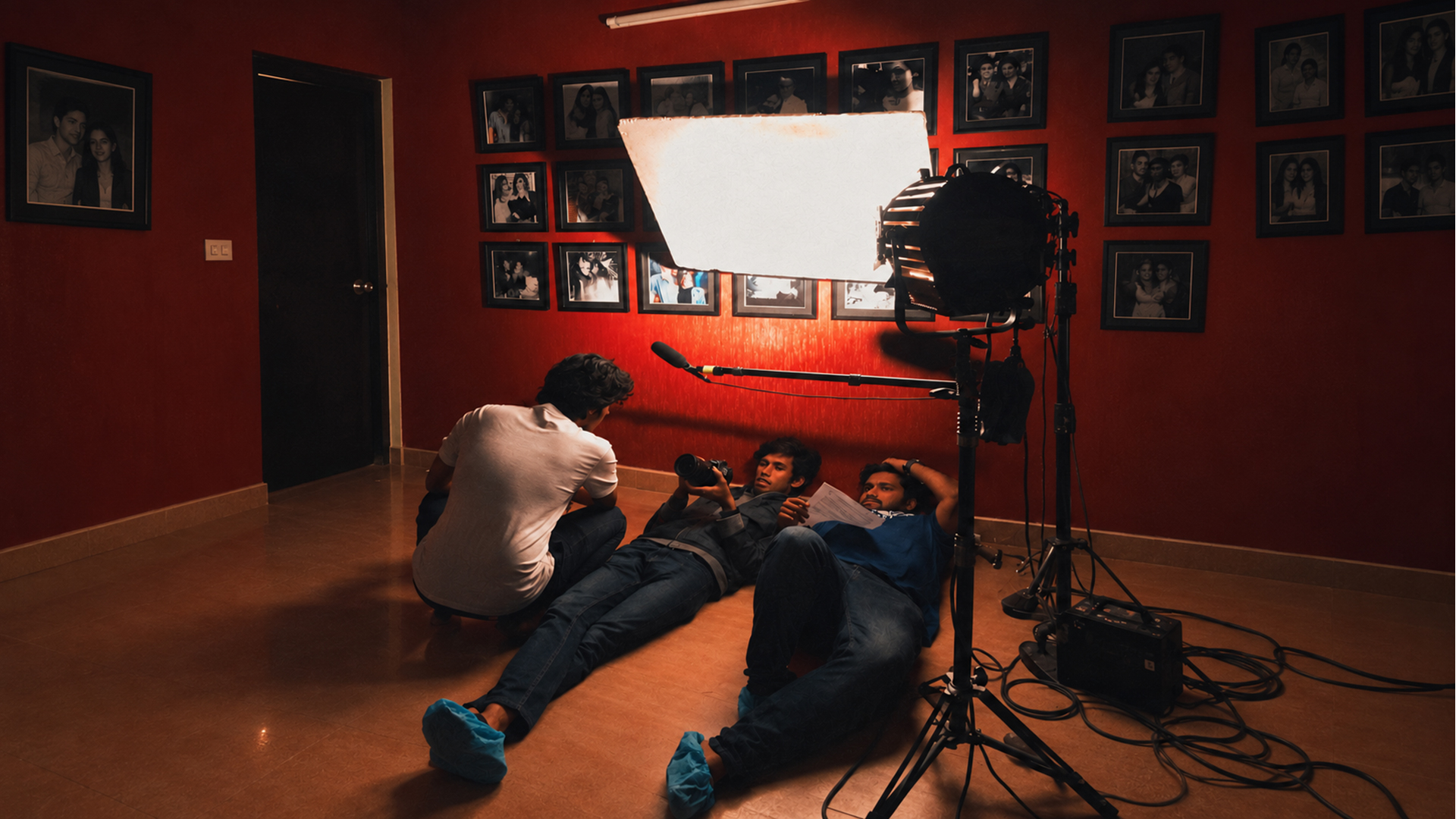
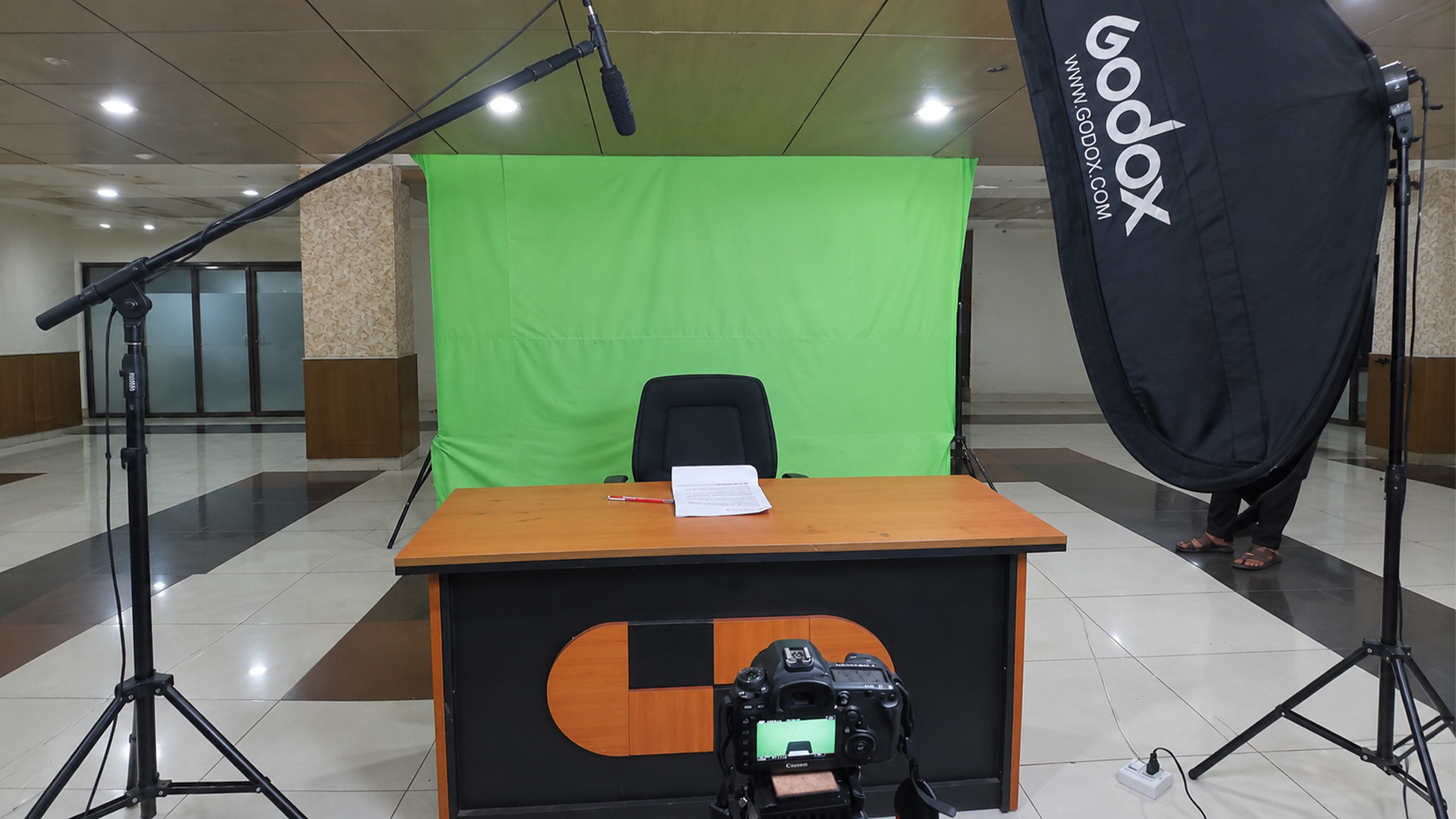
Frames from the work, and the services behind it.
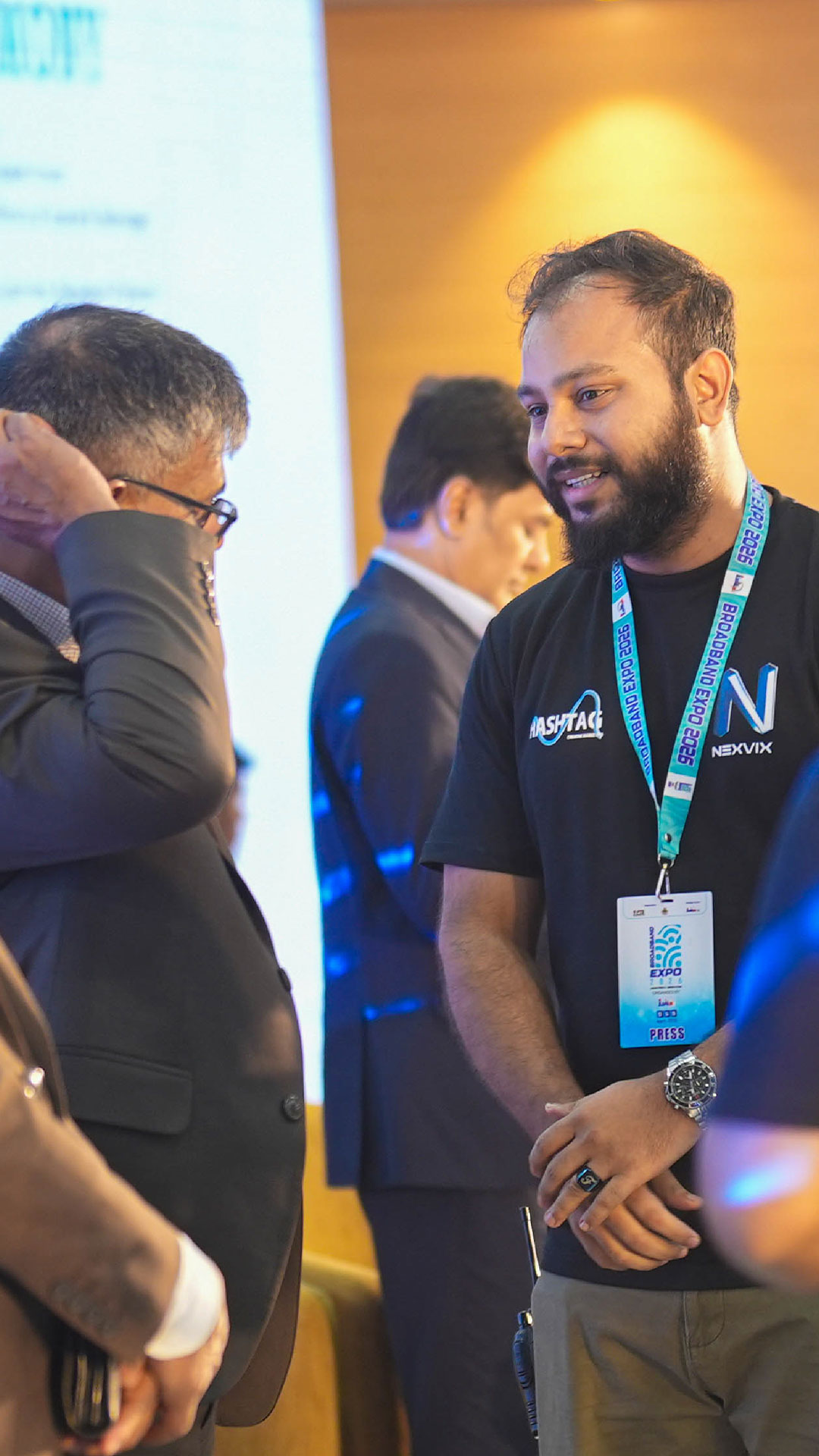
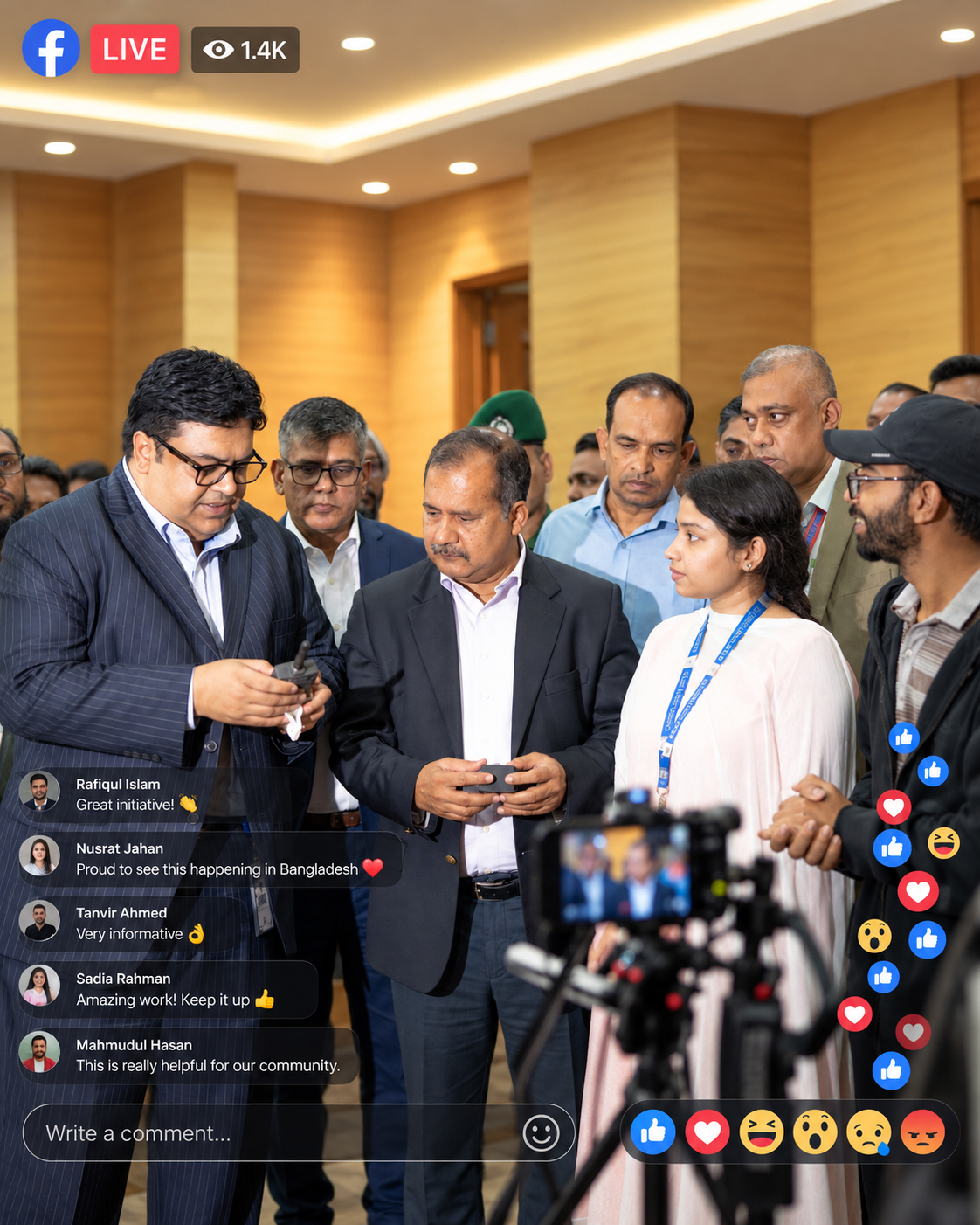
The rest of the published work.
If this is the kind of work you need, the next step is a date.
Tell us the objective, the audience and when it has to be live. We will tell you what is possible in that window before anything is quoted.